
Chrisor Luo
Fokis Senior Product Manager for Insulation Systems
9+ years of R&D and on-site troubleshooting experience in HVAC adhesive systems.
Published: 09/28/2026 | Last updated: Sep. 2026
An aluminum facing can look firmly attached, then lift at the edge when the panel is handled. Before changing the adhesive, take a closer look at the separated surfaces. The problem may be loose foam particles, contamination on the foil, or a bonding process that leaves too little effective contact.
When bonding phenolic foam to aluminum foil, the adhesive, both surfaces and the application method need to work together. This article focuses on laminating foil onto already-cured foam.
Start with the peeled surfaces
If the foil carries a thin layer of foam after peeling, the weak point may be the foam surface itself. If the foil is mostly clean and the adhesive stays on the foam, check the foil surface and how well the adhesive wets it. Adhesive on both sides can indicate failure within the glue layer.
These clues help narrow the investigation. Foam tearing alone does not prove that a bond is strong enough: a weak surface can break under very little force.
4 things to check before changing the adhesive
1. Dust and weak foam surfaces
Phenolic foam can be brittle, and cutting may leave loose particles on the bonding face. An adhesive can grip those particles while they detach from the material underneath. Higher density does not automatically eliminate this problem. Remove loose dust gently, then check whether the surface continues to crumble. Adding more glue will not necessarily repair a weak foam layer. [1]
2. Oil or coatings on the aluminum
Rolling-oil residue can interfere with adhesive wetting, even when the foil looks clean. Also confirm what the glue actually touches: bare aluminum, a primer, a lacquer or a plastic film. Each presents a different bonding surface. Use cleaning or pretreatment approved for that facing, and compare samples before changing the production process. [2]
3. The wrong drying or assembly time
Aluminum foil restricts the escape of moisture and solvent. With an adhesive that requires drying before assembly, closing the bond too early can leave a weak glue layer or encourage blistering later. A thick coating can make drying slower. Follow the product's application instructions; contact adhesives and reactive adhesives do not share one universal waiting time. Humidity also matters. [3]
4. Uneven contact on embossed aluminum
An embossed surface has peaks and valleys. If the coating or pressing process cannot accommodate that texture, parts of the facing may remain poorly bonded. Check the adhesive transfer pattern on a trial piece. Pressure should create uniform contact without crushing the foam; the appropriate setting depends on the actual core material. [4]
Fokis 701 Water-based Adhesive: tested on this material combination
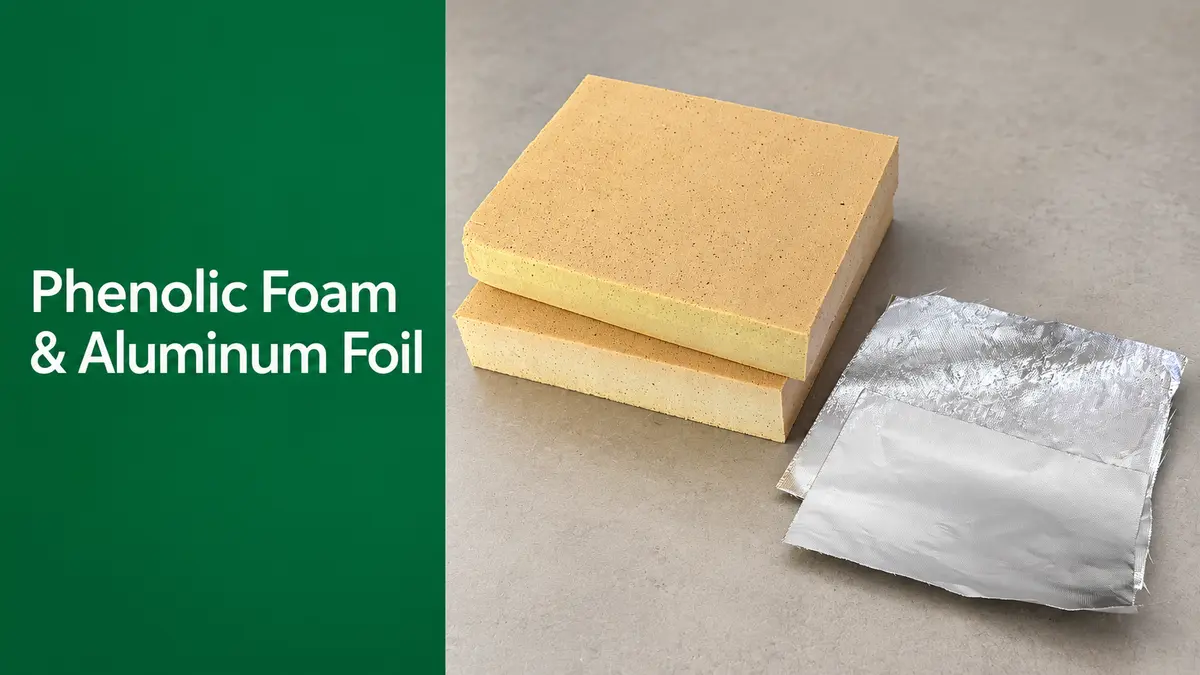
Selecting a phenolic foam adhesive starts with the actual foam and facing. Fokis has successfully bonded high-density phenolic foam to aluminum foil using Fokis 701 Water-based adhesive in laboratory testing at 26°C and 60% relative humidity.
Fokis 701: Phenolic Foam to Aluminum Foil Bonding Test
That gives manufacturers a tested starting point for this application. The result relates to the samples and conditions used; different foam grades, foil coatings or factory conditions still need their own checks. For a hot or humid service environment, agree on additional testing that reflects how the finished panel will be used.
Try your own foam and foil before production
Keep the first trial close to your normal process. Record the foam grade, foil bonding side, adhesive amount, assembly time and pressing conditions. After the specified drying or curing period, check both the force needed to peel the foil and where separation occurs. Include a larger panel before scaling up, since coating and pressure can be less uniform across a full sheet.
Send Fokis photos of the failed bond, along with your phenolic foam and aluminum foil specifications, to discuss a Fokis 701 trial. If you plan to send your materials for testing, our guide to sending samples to China for adhesive testing explains what to prepare and what to check before shipping. Confirm the sample quantity and receiving arrangements with us before dispatch.
Technical References
- Reinforced Phenolic Foam — WO2003080719A1. Observations on foam friability and failure during peel testing.
- Hydro Aluminium / INEOS: Adhesion to Foil (PDF). Technical discussion of aluminum foil surface condition, rolling-oil residues and adhesion.
- 3M Fastbond 30-NF Technical Data (PDF). An example of drying and assembly requirements for a water-based contact adhesive. These instructions do not apply to Fokis 701.
- SikaForce-110 CT55: Panel-Bonding Application Guidance. Guidance on bonding pressure and core-material strength. Cited for processing principles, not as confirmation of suitability for phenolic foam.