
Find adhesives by application
Adhesive solutions for your application.
Explore industrial adhesive options for what you make. Match the materials, review the process, then test a starting formula on your production samples.
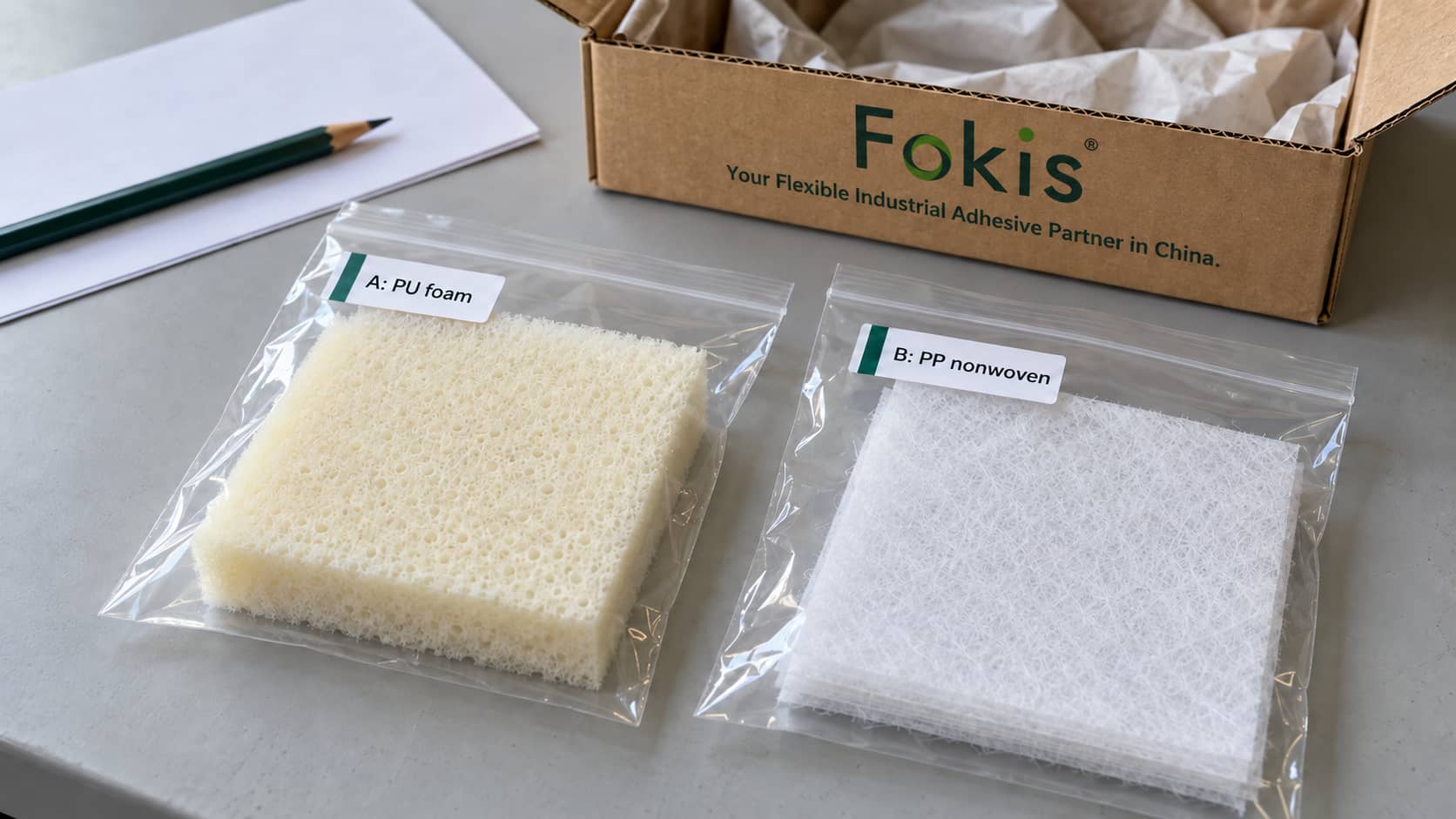
Your materials. A tested starting point.
Confirm the bond before moving to production.
Choose your application
What are you making?
Start with the finished product. Explore the materials, process questions and next steps for your application.

Foam & Upholstery
Sofas, seats & upholstered components
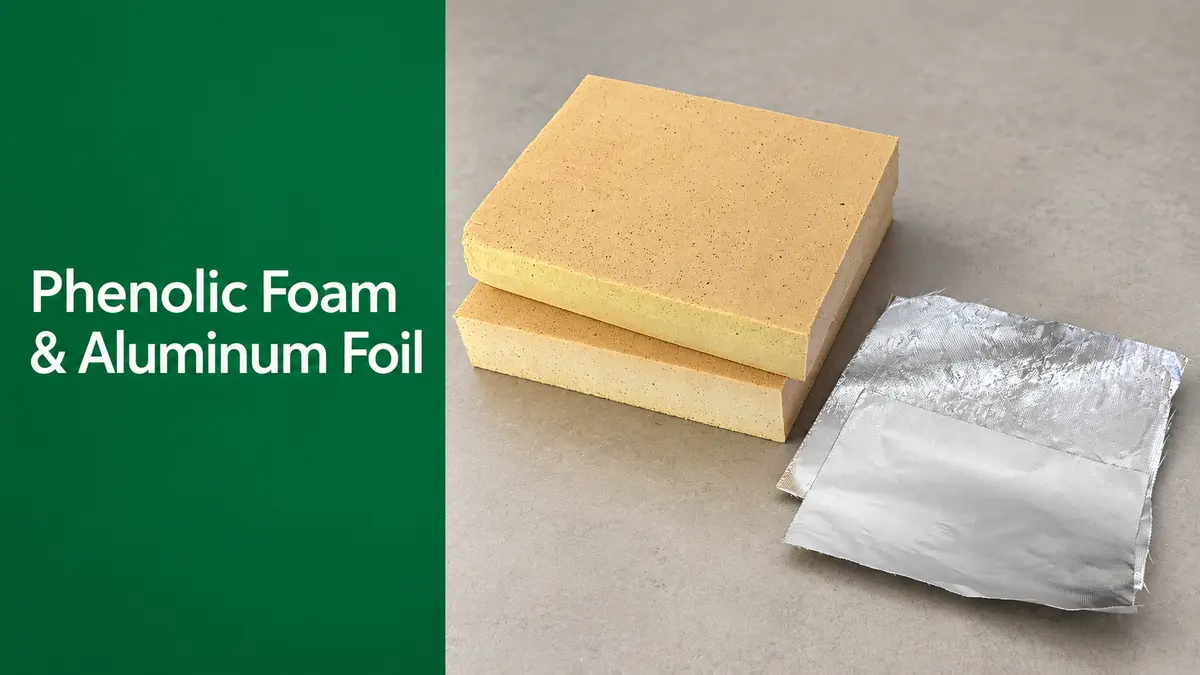
Insulation Lamination
Foam cores & foil facings
Mattress Assembly
Foam layers & mattress components

Wood Assembly
Furniture joints, frames & components

Footwear Manufacturing
Shoe uppers, soles & material preparation

Edge Banding
Panel edges & related profile processes
Working with a different material or process?
Discuss another application →
Match materials & process
Find your starting point.
Each application connects to relevant products and evidence. Final suitability depends on your own materials and trial conditions.
APPLICATION / 01
Spray bonding
Foam & Upholstery Bonding
Compare spray-bonding options for foam, upholstery fabric and compatible furniture components.
Material pairs: Foam ↔ fabric · Foam ↔ wood
Before choosing
Identify the foam grade, fabric backing, spray equipment and available drying time.
Fokis 893
Solvent-based spray adhesive
Fokis WO-727
Water-based, low-flammability option
Discuss my materials →
APPLICATION / 02
Foil lamination
Insulation Lamination
Start with the foam core and the actual bonding side of the foil. Different insulation systems need separate evaluation.
Material pairs: Phenolic foam ↔ foil · NBR ↔ foil
Before choosing
Check surface dust, foil coatings, coating coverage and the expected service environment.
Fokis 701 · phenolic foam trial
Review the documented material combination and test conditions.
Discuss my materials →
APPLICATION / 03
Hot-melt application
Edge Banding
Match the adhesive to the board, edge material and machine. Review profile wrapping as a separate process within your enquiry.
Material pairs: MDF · Particleboard · Wood veneer
Before choosing
Confirm application temperature, line speed, board condition and the required edge finish.
Fokis PW700
EVA hot-melt pellets; review equipment and material requirements.
Discuss my materials →
APPLICATION / 04
Layer assembly
Mattress Assembly
Define each bonding position, from foam layers to cover materials, and review assembly and packing conditions.
Material pairs: Foam ↔ foam · Foam ↔ textile
Before choosing
Share the mattress structure, required flexibility, application method and packing schedule.
Fokis 893
Solvent-based spray adhesive
Fokis WO-727
Water-based, low-flammability option
Discuss my materials →
APPLICATION / 05
Wood Assembly
Wood Assembly
Explore water-based adhesive options for furniture joints, wooden frames and compatible assembly work.
Material pairs: Solid wood · Wooden components
Before choosing
Confirm wood species, moisture content, joint fit and clamping or pressing conditions.
Fokis 8021
Water-based wood adhesive; evaluate with your wood and assembly method.
Fokis 618
A solvent-based graft adhesive with strong initial grab, positioned for applications involving PVC, PU synthetic leather and selected rubber components.
Discuss my materials →
APPLICATION / 06
Component bonding
Footwear Manufacturing
Identify the upper, sole and surface preparation before choosing an adhesive for shoe assembly.
Material pairs: Leather · Textile · Sole compounds
Before choosing
Share exact material grades, surface treatments, assembly method and flexibility requirements.
Fokis 444
PU adhesive for footwear; review preparation and process requirements.
Fokis 8805
A water-based PU adhesive supplied as a milky white liquid. Widely used in footwear bonding.
Discuss my materials →
Application illustration · view the actual test in the article
A documented starting point
From a bonding problem to a material trial.
Fokis reports a successful laboratory bond between high-density phenolic foam and aluminum foil using 701 water-based adhesive.
Adhesive
701
Lab temperature
26°C
Relative humidity
60%
This result applies to the tested samples and conditions. Other foam grades, foil coatings, and hot or humid service conditions require their own evaluation.
Discuss my foam & foil →
Confirm the fit
Test the bond. Then plan production.
Your materials and factory conditions help determine what to test, how to assess the result and what to confirm before scaling up.
01 / SHARE
Start with your materials
Describe both surfaces, the finished product and the problem to solve. Add photos and material specifications where available.
02 / EVALUATE
Review a starting formula
Discuss candidate products and agree on the sample, application conditions and performance checks for your trial.
03 / VALIDATE
Run a production trial
Check the bond on your own line, including drying or curing, handling and conditions relevant to the finished product.
What happens after the sample works?
Before a production order, agree on the specification and supply details that need to stay consistent.
- Approved product and document version
- Batch identification and agreed quality checks
- Packaging, storage and handling requirements
- Order quantity, delivery conditions and lead time
Explore TDS & SDS resources →
Discuss sample arrangements →
Already know the adhesive technology?
Browse the product range by formulation type.
Let’s find a practical starting point.
Tell us what you need to bond and how you apply the adhesive. We can discuss a product trial or whether a custom formulation should be evaluated.